
Keeping in style
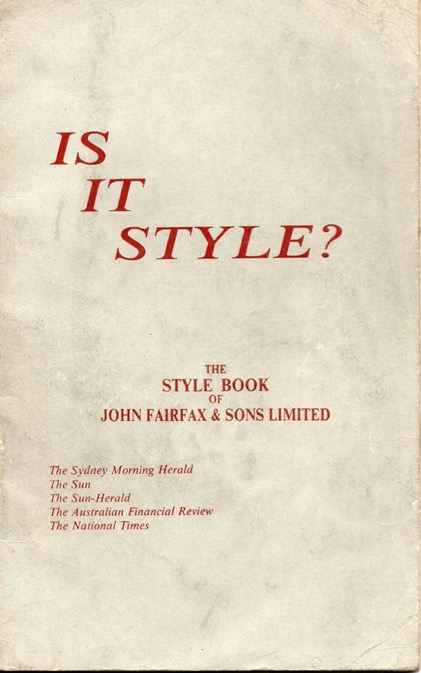
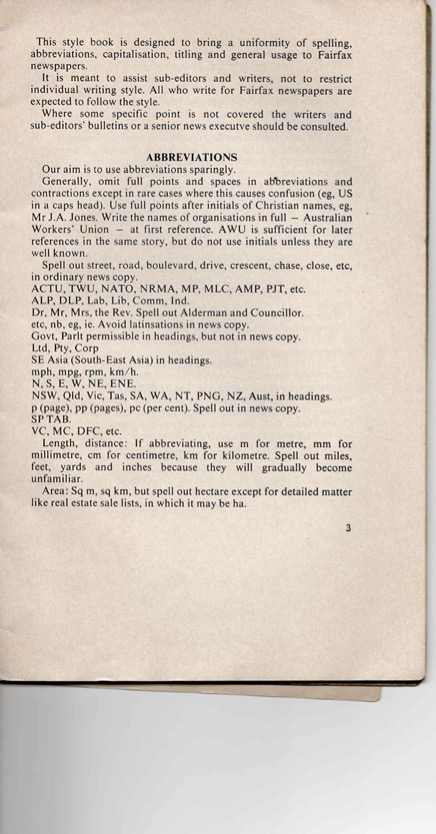
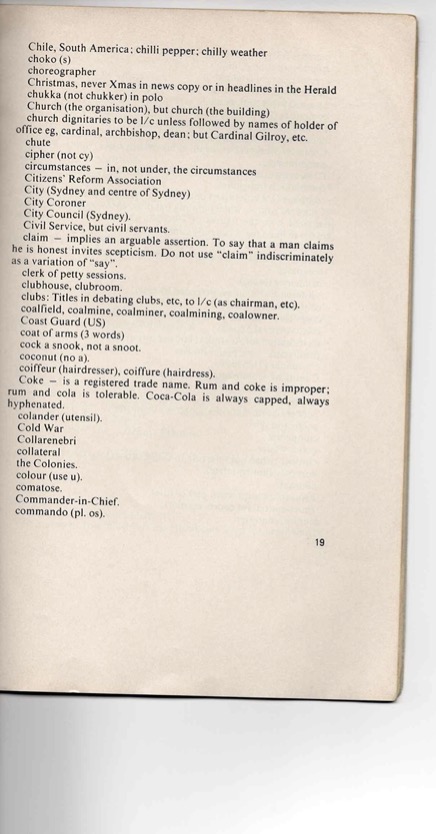
There were rules about writing. None of this free-form stuff, although pretty much all cadets were devotees of the New Journalism espoused by Hunter S. Thompson, Michael Herr and Tom Wolfe, among others. But at Fairfax, we followed style religiously.
Accreditation
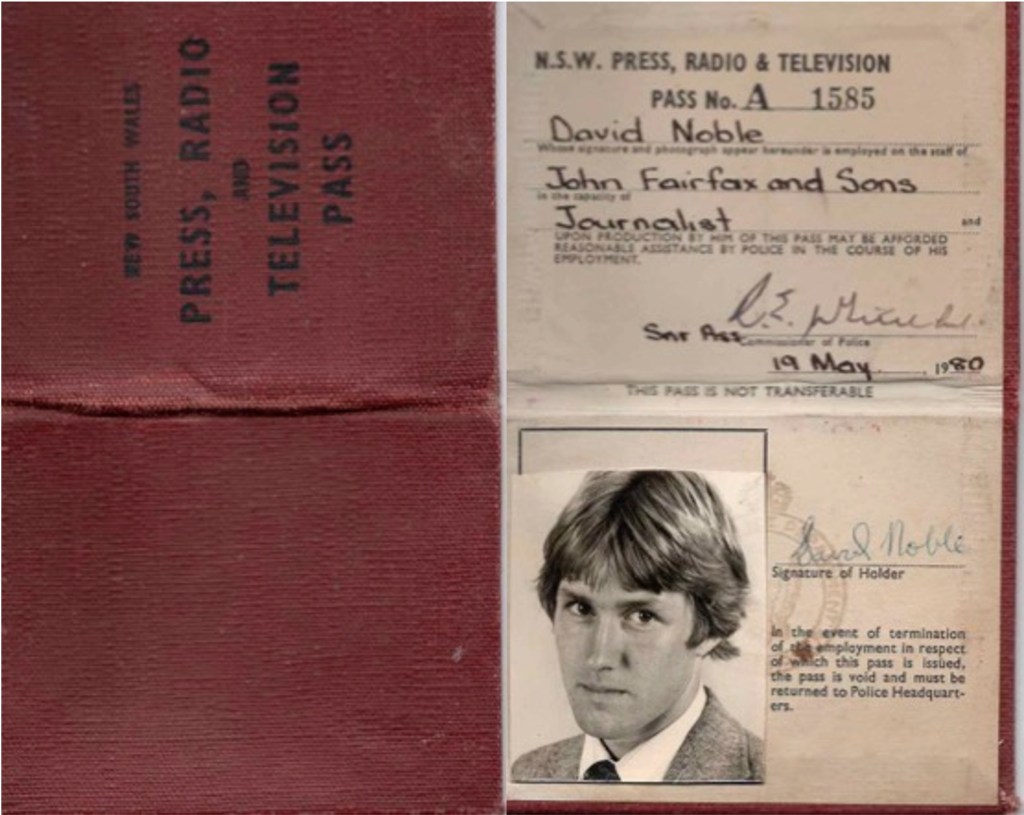
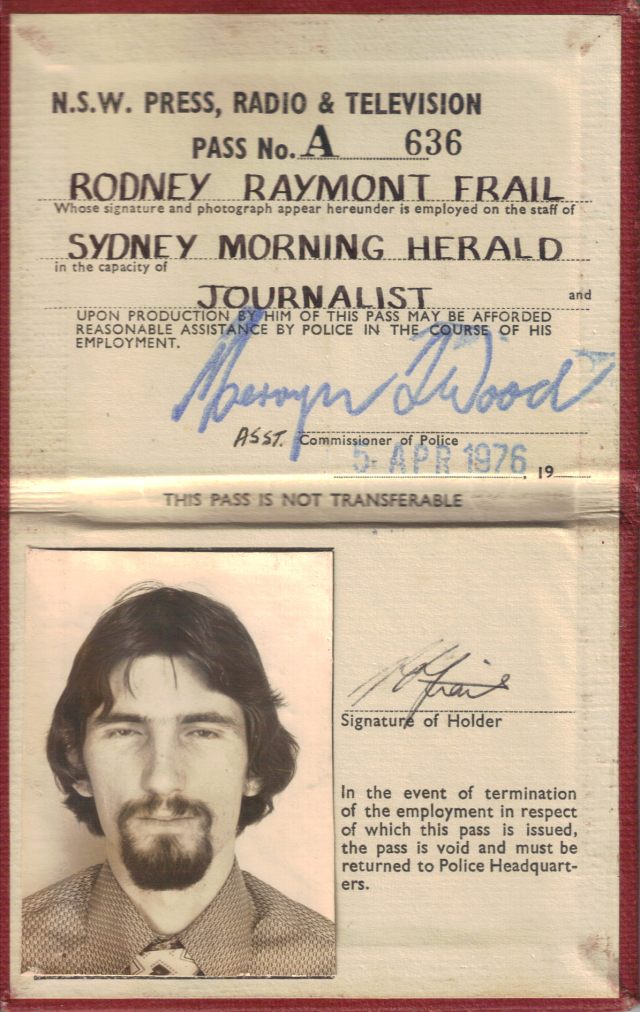
Outside of the industry, many people would be surprised to discover that journalists had to be approved by the NSW Police before they could engage with emergency services. It was seen as an asset rather than as an intrusion, but apparently those rules don’t exist now.
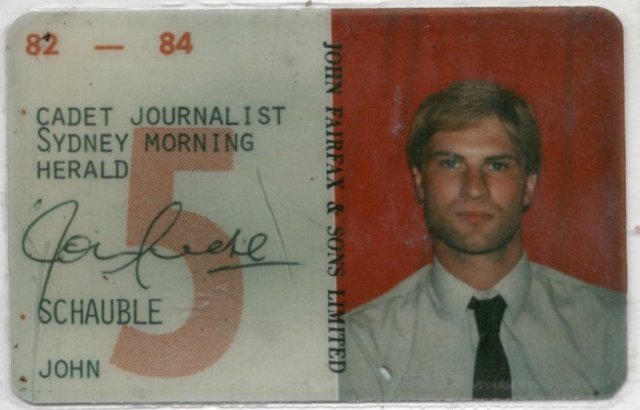
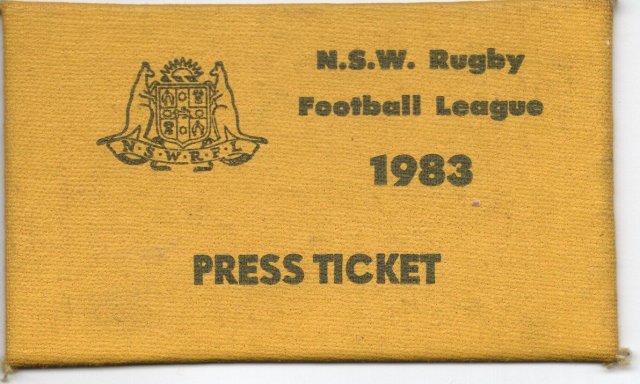
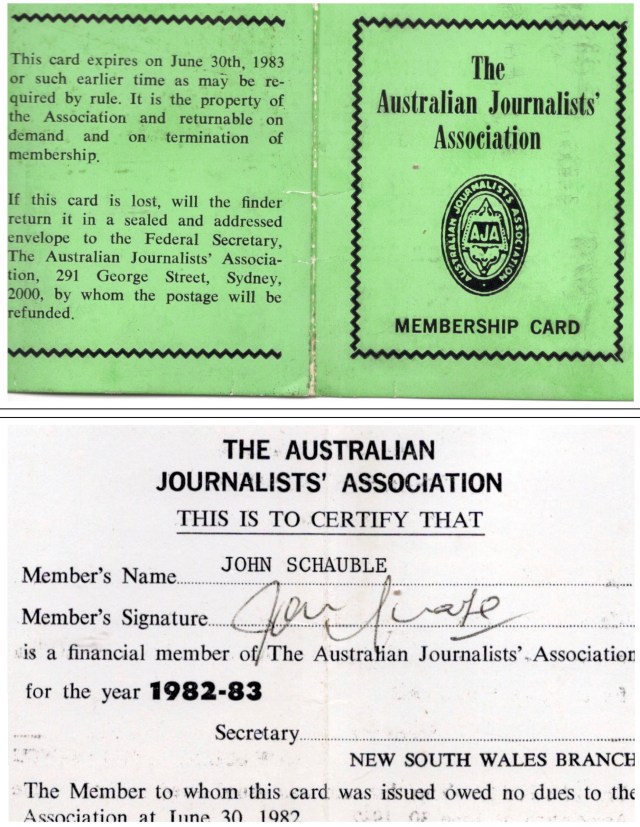
And of course, you had to be accredited to cover sports, get into the Fairfax building and join the union….
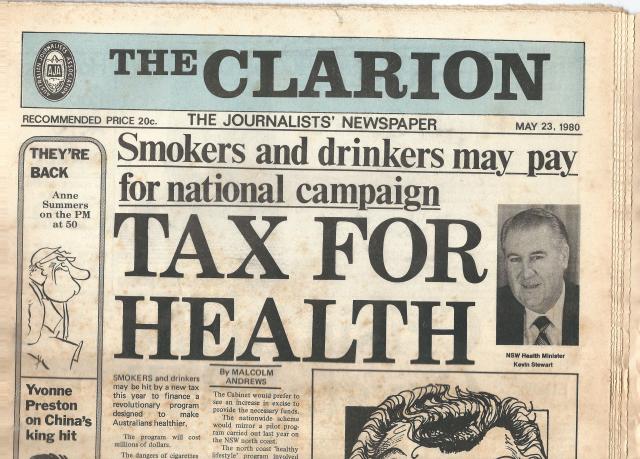
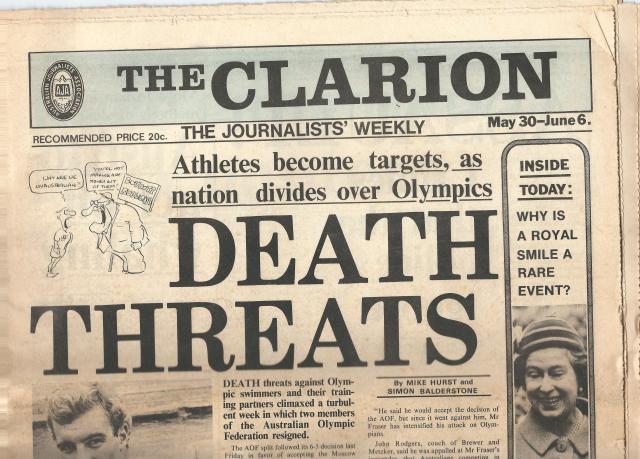
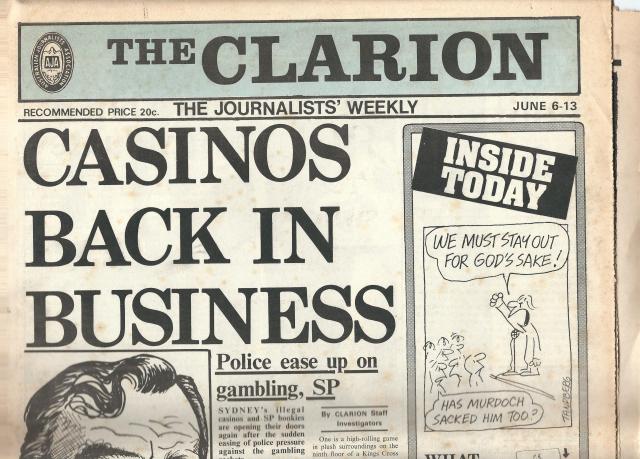
The strikers’ Clarion
In 1980, AJA members nationally voted to strike over pay increases and conditions related to the use of visual display terminals (VDTs). The strike lasted four weeks, and during that time, management and exempt journalists were able to continue publishing the major mastheads in a somewhat abbreviated form. And every Friday, they had competition from The Clarion – written, edited, printed and sold on the streets of most capital cities by striking journalists.
In contact
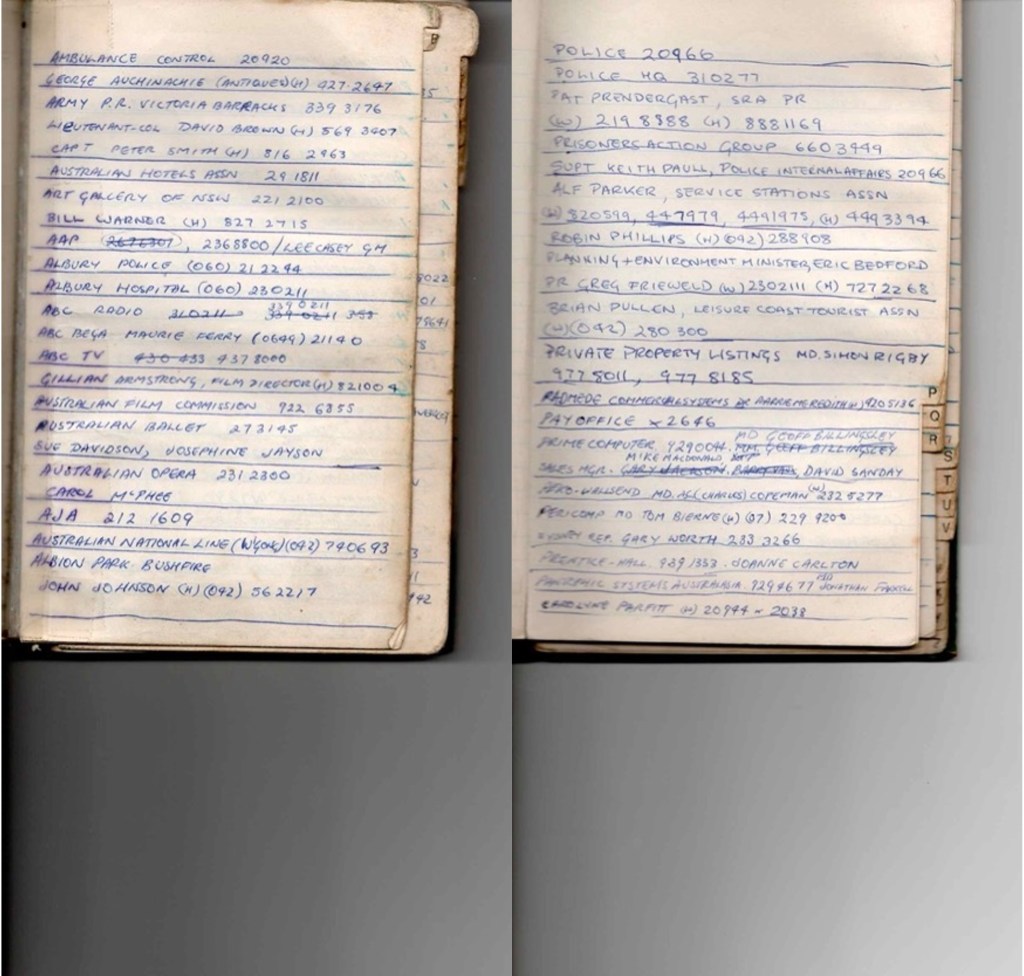
Contact books were gold. Senior reporters had direct lines for politicians and senior executives (no mobile phones then). Mine was a little more low-level….
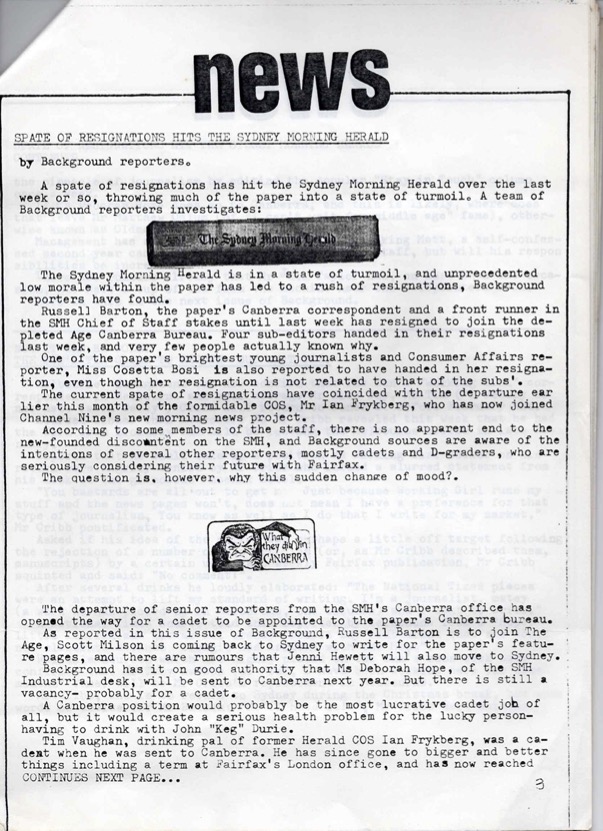
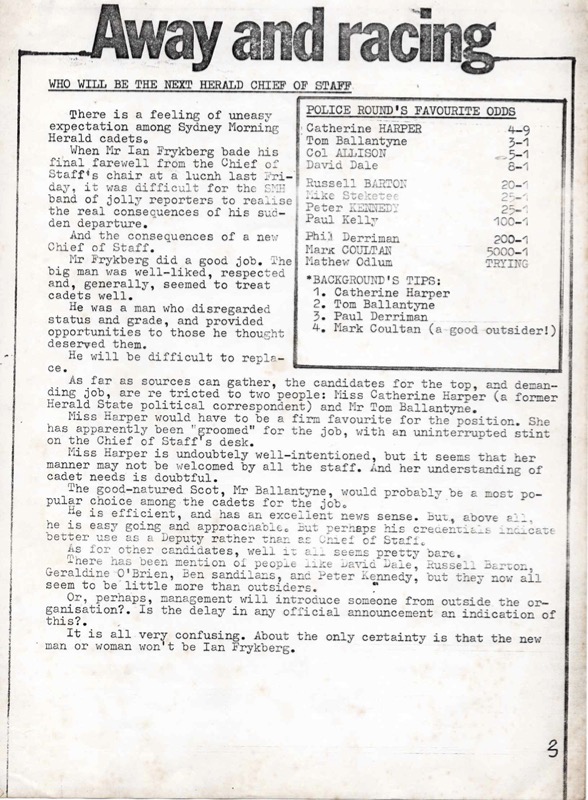
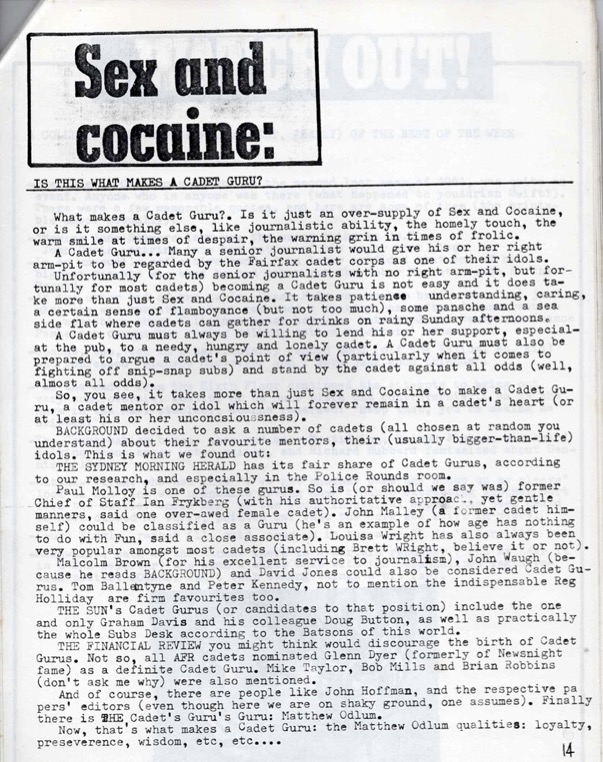
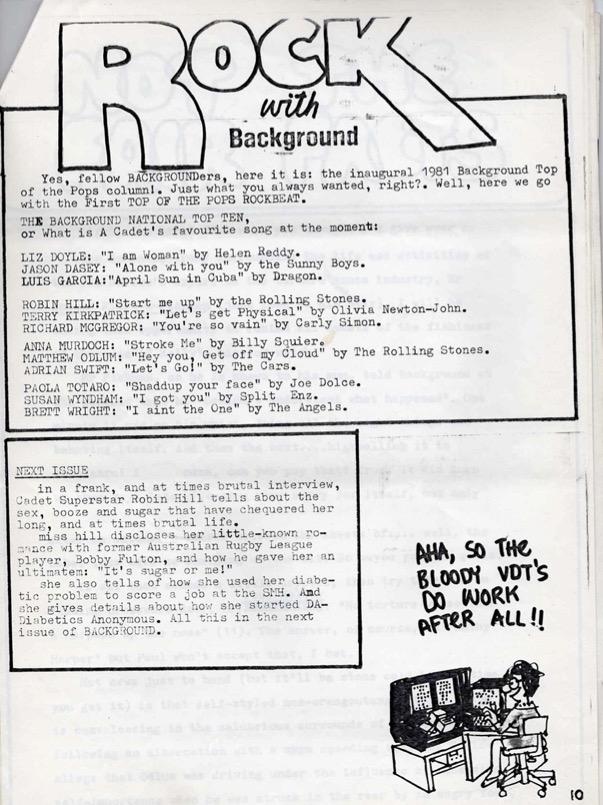
The infamous Background
Budding young reporters in search of column inches and bylines often found themselves frustrated that the copy of senior journalists was more favourably treated than their own. No real surprise, really, the older men and women were the experts in their rounds, while the cadets were still learning the trade.
But the urge to write was strong, and so emerged an “underground” newsroom newsletter driven by the cadets. Part fact, part farce, part rumour, each edition of Background was eagerly awaited by journos young and old, but did ruffle some feathers, with the editors being hauled before management after one story. They were allowed to continue publishing, under some “adult” supervision.
Some extracts are featured below:
Dress codes
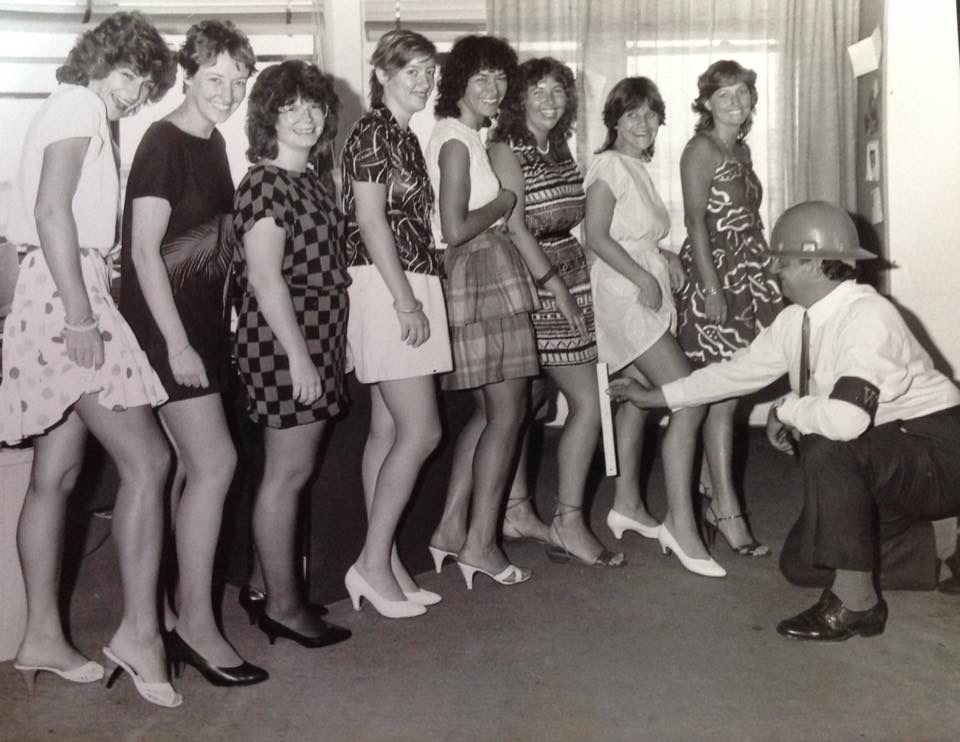
Charles Long, Sun COS, measures the skirts of female staff including cadet Lisa Carty (third from left) in 1981. Lisa can’t remember why this took place, but one thing’s for sure – it would never happen today!
Hot metal
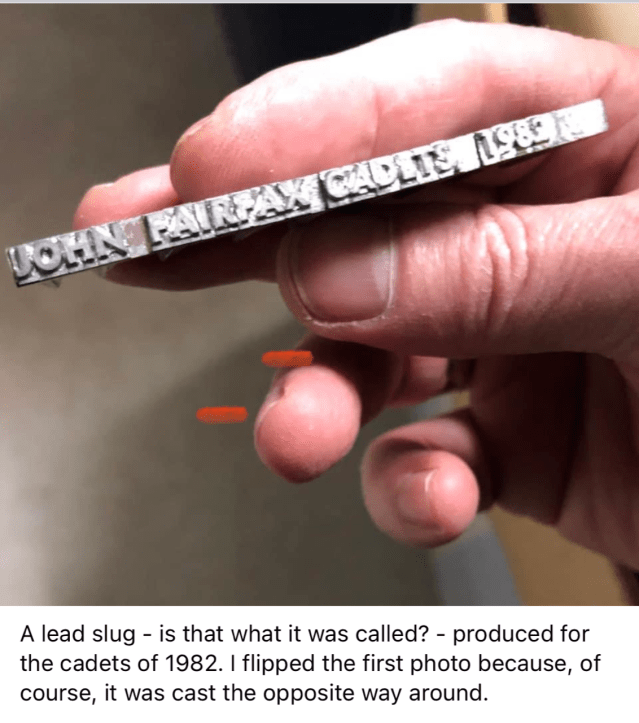
Supplied by Susan Wyndham
 Fairfax Cadets